That Quiet Furnace in the Basement Deserves a Closer Look
It’s 5 a.m. in January. The wind is howling across Weld County, and it’s 4 degrees outside.
Your furnace kicks on like it has for 15 years. You don’t think twice.
But here’s the thing. A furnace can keep you warm and still have a problem you can’t see, smell, or hear. A small crack, a blocked vent, or a loose gas fitting won’t always announce itself. For many retirees, that’s what worries them most. Not the repair bill, but the question in the back of your mind: Is this thing safe?
If you’ve ever lain awake wondering about carbon monoxide or a gas leak, you’re not alone. This guide walks you through what furnace maintenance really does for your safety, what you can handle yourself, and what needs a trained technician. You’ll also learn a few Northern Colorado quirks most national articles never mention.
Why Furnace Maintenance Matters More After 65
Let’s be honest. Your furnace doesn’t care how old you are. But your body does respond differently to some risks, and that changes the math.
Carbon Monoxide Hits Older Adults Harder
Carbon monoxide (CO) has no smell and no color. It comes from burning fuel, like the natural gas in your furnace. When a furnace runs right, the CO goes up the vent and out of your home.
When something goes wrong, it can leak into your living space instead.
Older adults, and anyone with heart or lung conditions, can feel the effects of CO sooner. The early signs look a lot like the flu: headache, tiredness, dizziness, upset stomach, and confusion. Sound familiar? Lots of folks blame it on a winter bug or a new medication. A big clue is when you feel better after leaving the house for a few hours.
Your Nose May Not Warn You Anymore
This one surprises people. Natural gas has no smell on its own, so gas companies add a chemical that smells like rotten eggs. It’s a great warning system.
But our sense of smell often fades with age. Some medicines and health conditions dull it, too. That means a gas leak someone else would notice right away might slip right past you.
That’s not a reason to panic. It’s a reason to add a backup: a plug-in natural gas detector near your furnace and water heater. They’re inexpensive and easy to find at most hardware stores.
The Northern Colorado Factors Nobody Talks About
Most furnace advice online is written for “everywhere.” But Greeley isn’t everywhere. Our weather and elevation create some specific risks.
Altitude Changes How Your Furnace Burns
Greeley sits nearly a mile high. There’s less oxygen in the air up here, and gas furnaces need to be set up for that. A furnace that’s burning too rich, meaning too much gas for the air it gets, can make extra carbon monoxide.
A furnace can run that way for years without you knowing. The flame looks fine. The house feels warm. Only a combustion test, where a tech measures the gases in the exhaust, tells the real story.
Wind and Snow Can Block Your Vents
Here’s what matters if you have a newer, high-efficiency furnace. These units often vent through white plastic pipes on the side of the house, not up a chimney.
Weld County wind loves to pile snow against those pipes. When the exhaust or air intake gets blocked, the furnace may shut down, or worse, push exhaust back where it shouldn’t go. After a big storm, take a peek outside (or ask a neighbor or family member to). Clear snow gently by hand if you can do so safely.
Older homes with chimney-vented furnaces have their own issue. Birds, nests, and loose bricks can block the flue over a long summer.
Dry Air Is Hard on You and Your Home
Our air is dry, and winter makes it worse. That’s not a direct safety danger, but it can lead to cracked skin, nosebleeds, and static shocks. A whole-home humidifier can help, and it’s worth checking during your tune-up.
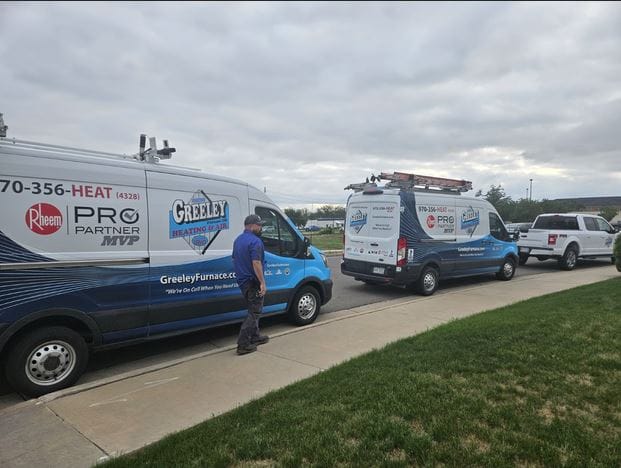
What a Real Furnace Tune-Up Should Include
Look, not all “tune-ups” are the same. Some companies send someone to check if the furnace turns on, change the filter, and hand you a sales pitch. That’s frustrating, and it doesn’t make you any safer.
A safety-focused visit takes more time. Here’s how the two compare.
| Task | Quick “Look-Over” | Safety-Focused Tune-Up | Why It Matters to You |
|---|---|---|---|
| Change or check the filter | Yes | Yes | Better airflow, less strain on the system |
| Inspect the heat exchanger for cracks | Rarely | Yes | Cracks can let CO into your air |
| Combustion test of exhaust gases | No | Yes | Shows if the furnace is making too much CO |
| Check for CO in your living space | No | Yes | Confirms the air you breathe is safe |
| Test gas lines and fittings for leaks | Sometimes | Yes | Catches small leaks before they grow |
| Inspect vent pipes and flue | Sometimes | Yes | Makes sure exhaust leaves your home |
| Test safety switches and flame sensor | Sometimes | Yes | These shut the furnace off if something’s wrong |
| Measure airflow and temperature rise | No | Yes | Proves the system works as designed |
| Photos of what was found | No | Yes | You (and your family) can see it for yourself |
If a company can’t explain what they measured, ask. You deserve real answers, not just a sticker on your furnace.
Testing Beats Guessing
At Greeley Furnace, our team is certified by the National Comfort Institute (NCI) as a System Performance Contractor. That’s a mouthful, so here’s what it means in plain English. We don’t just eyeball your furnace. We measure how it’s actually performing, then measure again after the work is done.
Our technicians are also NATE-certified, which is a national standard for HVAC skill. You can meet our team here before anyone ever knocks on your door.
What You Can Safely Do Yourself
You don’t need to be handy to help your furnace. A few simple habits go a long way.
Your Monthly Five-Minute Check
Start with the filter. Check it once a month during heating season and replace it when it looks gray or dusty. Most homes need a new one every one to three months. If bending down is hard, ask a family member or your technician to show you an easier setup.
Next, test your carbon monoxide alarms. Press the test button once a month. You should have one on every level of your home and near the bedrooms. CO alarms wear out, too, usually somewhere between 5 and 10 years. Check the date on the back.
Then, keep the area around your furnace clear. Boxes, paint cans, and laundry piles don’t belong within a few feet of it.
What You Should Never Do
Please don’t open up the furnace cabinet or try to relight a burner you’re unsure about. Don’t patch a vent pipe with tape. And never use your oven or a grill to heat the house if the furnace quits. Those are real CO risks.
The exception is a simple pilot relight on an older unit, if the instructions are printed on the furnace and you feel comfortable. When in doubt, call.
If You Smell Gas or Your CO Alarm Goes Off
This part is important, so let’s keep it simple and calm.
If your CO alarm sounds, get everyone outside to fresh air right away. Call 911 from outside. Don’t go back in until responders say it’s safe.
If you smell gas, leave the house. Don’t flip light switches, use the phone inside, or start your car in an attached garage. A tiny spark can be enough. Once you’re outside, call your gas company’s emergency line or 911.
After the danger is handled, call a qualified HVAC company to find and fix the cause. At Greeley Furnace, you can reach a real person at 970-356-0121 any time, day or night. No robots. No answering service. Just someone who can help.
“Do I Really Need a New Furnace?”
This is the question many seniors dread. You might feel pressured, or worried someone will take advantage of you. That fear is real, and it’s fair.
Here’s our honest take. A furnace that’s 15 or 20 years old isn’t automatically unsafe. Many older units run well with good care. Sometimes the best advice is “don’t replace it yet.”
But there are times replacement makes sense. A cracked heat exchanger is the big one. Since it can let carbon monoxide into your home, most experts recommend replacing the furnace rather than repairing that part. Frequent breakdowns and rising gas bills are other signs.
What should a good company do? Show you the problem with photos. Explain your options in writing with a flat-rate price. And let you take your time. If you need a fix, our heating repair team starts with what’s actually wrong. If replacement is the smart choice, we’ll walk you through furnace installation and financing options without pressure.
A Note for Adult Children
Maybe you’re reading this for Mom or Dad. You can’t be there for every service call, and that’s stressful. Ask if the company will share photos and findings with you. Ours will. You can see exactly what the technician saw, from wherever you are.
Make It Automatic With a Maintenance Plan
Let’s be real. Remembering to schedule a tune-up every fall is one more thing on a long list.
A maintenance plan takes it off your plate. We reach out when it’s time, so you don’t have to. Some of our customers have been on a plan with us for nearly two decades. Many of them first called us because their parents did.
That’s the kind of relationship Greeley Furnace has built since 1958. Today, the company is owned and run by Scott Stevens and Patty Graves, who still stay close to their customers. You can read more about our history or see what neighbors say in our customer reviews.
Frequently Asked Questions
How often should seniors get furnace maintenance?
Once a year, ideally in early fall before the first cold snap. For older adults or homes with an older furnace, that yearly visit matters even more. It’s the best chance to catch CO and gas problems before you’re running the furnace around the clock.
Can a furnace leak carbon monoxide even if it’s working fine?
Yes. A furnace can heat your home well and still have a cracked heat exchanger, a partly blocked vent, or a poorly adjusted burner. That’s why a combustion test is so important. It measures what the furnace is actually putting out, not just whether it turns on.
Does Greeley’s altitude affect furnace safety?
It can. At nearly a mile high, there’s less oxygen for burning gas. A furnace that isn’t set up for our elevation may burn inefficiently and create more carbon monoxide. A trained tech can check and adjust this during a tune-up.
Should I have a gas detector in addition to a CO alarm?
For many seniors, yes. CO alarms don’t detect natural gas, and your sense of smell may not catch a leak like it once did. A plug-in natural gas detector near your furnace and water heater adds an extra layer of protection.
Warm, Safe, and Sleeping Soundly
Your furnace works hard all winter. With a little care, it can keep you warm without the worry.
Here’s what to remember. Get a safety-focused tune-up every fall. Test your CO alarms monthly and add a gas detector. Watch your outdoor vents after storms. And when someone recommends a big repair, ask for proof.
You’ve earned peace of mind at home. If you’d like a friendly, honest look at your furnace, schedule your furnace maintenance visit or request a free estimate. Or just pick up the phone and call 970-356-0121. A real person will answer.